
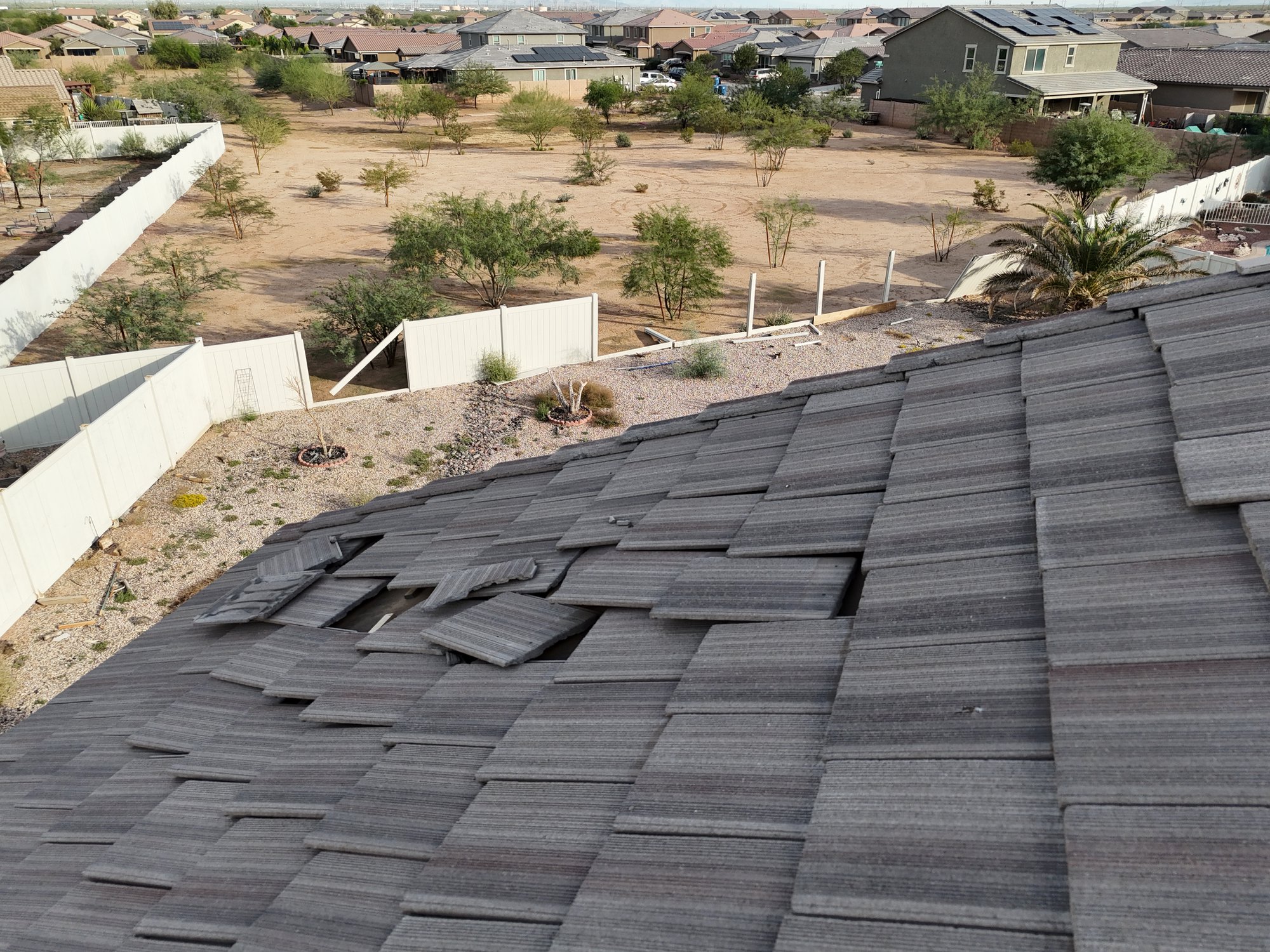
Your Tucson roof takes a beating every single year from intense heat, UV radiation, and powerful monsoon storms. Most damage starts small and stays hidden until it turns into something expensive and disruptive to fix. Knowing the warning signs early gives you the chance to act before a minor issue becomes a major repair bill.
Too many building owners wait until water is coming through the ceiling before they call a roofer. Your Tucson roof sends warning signals well before things get to that point, and catching them early always saves money. A proactive approach to roof health is one of the smartest financial decisions you can make as a property owner.
What Are the Warning Signs Your Tucson Roof Needs Immediate Attention?
The most common warning signs that your Tucson roof needs attention include visible cracking, pooling water, damaged flashing, sagging areas, and rising energy bills, all of which point to insulation failure. Tucson's extreme heat and monsoon season accelerate roof deterioration more quickly than in most climates, making early detection critical. Spotting these signs early and acting fast is the difference between a simple repair and a full roof replacement.
1. Visible Cracks and Blistering on Your Tucson Roof Surface
Cracks and blistering are among the earliest signs that your Tucson roof is breaking down from heat and UV exposure. Surface cracking allows moisture to seep into the membrane, accelerating damage whenever rain or humidity hits. Catching this early means a simple coating or repair instead of a much costlier fix down the road.
Blistering occurs when trapped air or moisture beneath the surface expands due to Tucson's intense rooftop temperatures. Left alone, blisters pop and leave open vulnerabilities that water exploits during the monsoon season. Addressing blistering quickly keeps your roof's protective layer intact and functional.
A visual inspection twice a year catches cracking and blistering before either one spreads across a larger area. Even small surface damage deserves attention because Tucson's climate turns minor issues into major problems fast.
2. Water Stains or Leaks Inside Your Building
Water stains on your ceiling or walls are a clear signal that your Tucson roof has already been compromised somewhere above. By the time moisture shows up inside, it has usually been working through your roofing system for longer than you'd expect. Acting quickly limits interior damage and keeps repair costs from rising.
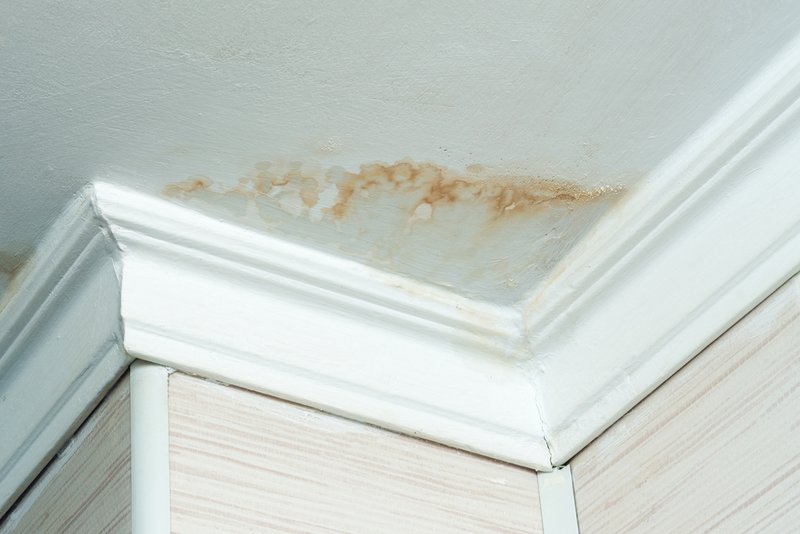
Stains don't always appear directly below the leak point, which makes tracing the source tricky without professional help. Water travels along rafters and decking before dripping down, so the visible stain can be far from the actual entry point.
Ignoring water stains, hoping they'll dry out and go away, is one of the most expensive mistakes a building owner can make. Moisture trapped inside your roofing system leads to mold, wood rot, and structural damage.
3. Pooling Water After Monsoon Storms
Pooling water on your Tucson roof after a storm is a serious warning sign that your drainage system isn't doing its job. Flat roofs are especially vulnerable because even slight low spots collect water that sits for days after heavy rain. Standing water adds weight, breaks down the membrane, and creates leak points that get worse with every storm.
Most drainage problems come from clogged drains, scuppers blocked by debris, or low spots that developed as the roof aged over time. A qualified contractor can identify the drainage issue and recommend the right fix before the next monsoon season hits. Leaving pooling water unaddressed shortens your Tucson roof's lifespan significantly faster than almost any other problem.
Clearing your drains before and after monsoon season is one of the simplest maintenance steps you can take. Prevention costs far less than repairing the membrane damage that pooling water causes over multiple storm cycles.
4. Damaged or Lifted Flashing Around Vents and Edges
Flashing seals the most vulnerable points on your Tucson roof, including edges, vents, skylights, and any penetration through the surface. When flashing lifts, cracks, or separates, water gets a direct path into your roofing system with every rain event. Damaged flashing is one of the most common causes of leaks on Tucson roofs. It is also one of the easiest to fix when caught early.
Heat expansion and contraction put constant stress on flashing over time, gradually loosening the seals that keep water out. A single monsoon storm can push significant water through a compromised flashing point before you even realize there's a problem.
Flashing repairs are relatively affordable when addressed quickly, but the water damage they allow can become extremely costly if left alone. A biannual inspection is one of the smartest maintenance investments your building can make.
5. Sagging or Uneven Areas Across Your Roof
Sagging on your Tucson roof is never a cosmetic issue – it signals structural damage that needs immediate professional attention. A sagging area usually means the decking beneath has been compromised by moisture, rot, or prolonged weight from standing water. Waiting on a sagging roof puts your building and everyone inside at serious risk.
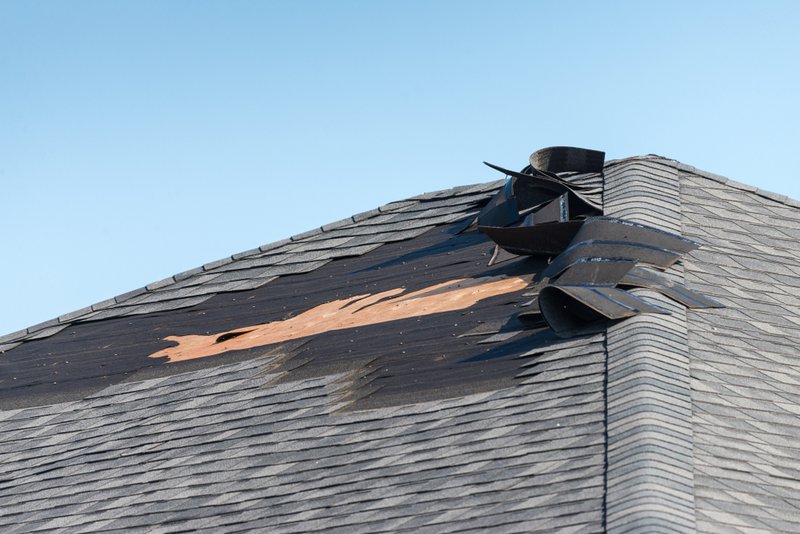
Uneven areas that weren't there before are a sign that something underneath has shifted or deteriorated beyond surface-level wear. Tucson's heat cycles stress roofing structures constantly, and moisture from monsoon season accelerates that breakdown significantly. A professional inspection is the only way to determine how deep the damage goes and what it will take to fix it properly.
Getting a structural assessment done immediately is critical when you notice any sagging or unevenness on your Tucson roof. Delaying that call almost always turns a serious repair into a full replacement situation.
6. Granule Loss on Asphalt Shingles
Granule loss is one of the clearest signs that your asphalt shingles are nearing the end of their useful life in Tucson's harsh climate. Granules protect the asphalt layer beneath from UV exposure, and once they're gone, the shingle degrades rapidly. Finding granules in your gutters or downspouts after a storm means your Tucson roof needs a professional evaluation soon.
Significant granule loss leaves your shingles exposed to the full force of Tucson's UV radiation and heat, accelerating surface cracking and brittleness. Once the asphalt layer starts breaking down, moisture infiltration becomes a real and immediate risk with every rain event.
Addressing granule loss early gives you options that disappear once the damage progresses further into the shingle layer. A roofing professional can assess how much life your shingles have left and whether repair, coating, or full replacement makes the most sense.
7. Skyrocketing Energy Bills With No Obvious Cause
A sudden spike in your energy bills is one of the less obvious warning signs that your Tucson roof may be failing. A compromised roof loses its ability to reflect heat and maintain proper insulation, forcing your HVAC system to work harder all summer long. If your cooling costs are climbing without a clear explanation, your roof deserves a closer look.
Damaged or degraded roofing materials allow heat to transfer into your building at a much higher rate than a healthy roof would. Tucson's summer heat is relentless, and even small gaps in your roof's thermal performance show up fast on your energy bill. A reflective coating or targeted repair can restore your roof's efficiency and bring those costs back down.
A professional energy audit combined with a roof inspection can quickly confirm whether your Tucson roof is the source of the problem. Fixing a failing roof almost always delivers immediate and measurable relief on your monthly energy costs.
8. Visible Daylight Through Your Roof or Attic
Seeing daylight through your roof or attic is about as urgent a warning sign as your Tucson roof can send. Any gap large enough to let light through is large enough to let water, pests, and heat pour into your building. Getting a contractor on-site immediately is the only appropriate response to visible daylight in your roofing system.

Gaps and holes in your roof can develop from storm damage, deteriorated materials, failed seams, or prolonged neglect that finally reached a breaking point. Every day you wait with an opening in your roof is another day Tucson's heat and weather work further into your building's structure.
Emergency repairs are almost always available from qualified Tucson roofing contractors when the situation calls for immediate action. Acting fast limits the interior damage and keeps a serious situation from turning into a complete structural failure.
Don't Wait Until Your Tucson Roof Becomes an Emergency
Catching warning signs early is always cheaper than dealing with the damage after it spreads. Your Tucson roof works hard every single season, and staying ahead of problems is the smartest way to protect your building and your budget. GreenGo Roofing offers free inspections that give you a clear picture of where your roof stands and what it needs.
Don't let a small issue turn into a costly replacement when a simple repair could have handled it months ago. Schedule your free roof inspection with GreenGo Roofing today and get ahead of whatever your Tucson roof is trying to tell you.