
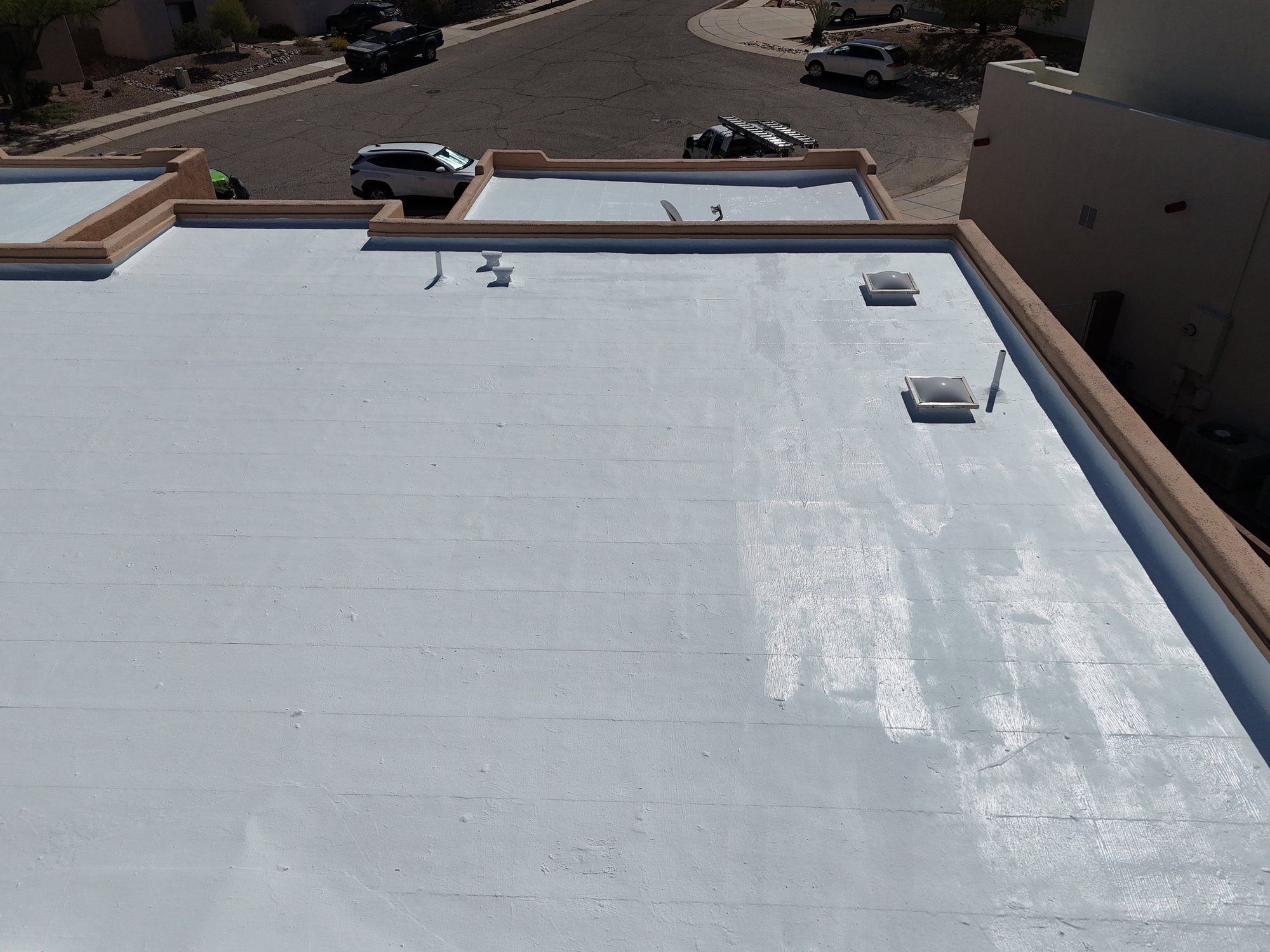
Commercial roofs in Tucson face constant stress from extreme heat, ultraviolet radiation and seasonal monsoon storms. Those conditions weaken roofing materials gradually, and most problems stay hidden until a leak shows up inside. A commercial roof inspection checklist gives property managers a consistent way to catch wear early, budget repairs and keep tenants, equipment and operations dry.
Why Tucson Commercial Roofs Need Two Inspections a Year
Most commercial property owners in Tucson do best with at least two scheduled inspections each year, timed around our climate rather than the calendar:
- Spring (April to early June): a pre-monsoon inspection. Monsoon season runs June 15 to September 15, so spring is the time to clear drains, reseal flashing and repair open seams before the first heavy storms and high winds arrive.
- Fall (October to November): a post-summer inspection. Months of heat and UV, followed by monsoon rain, leave a specific wear pattern that is easiest to spot once temperatures cool. Fall is also the right time to repair and recoat ahead of winter rains.
- After severe weather: high winds, hail, debris impacts or heavy rain can compromise a roof quickly, so schedule an extra inspection after any major storm or when you notice visible damage.
Small problems found early lead to targeted roof repairs instead of larger structural work. A steady inspection routine is also one of the most effective ways of extending the lifespan of your commercial roof in Tucson.
The Checklist: Surface, Seams and Coatings
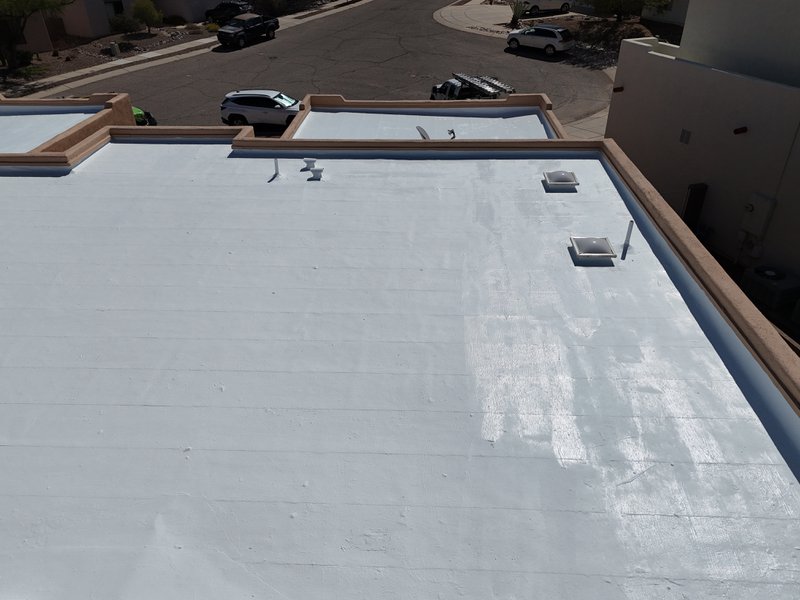
Start with the field of the roof, the large open areas that take the most sun.
1. Roof Surface
Look for cracks, blisters, punctures, soft spots and worn or thin areas of membrane. Blistering and cracking usually mean the material is drying out under UV and heat, and punctures often trace back to foot traffic or dropped tools near equipment.
2. Seams and Membrane Edges
Daily thermal cycling, where materials expand in the afternoon heat and contract at night, pulls on seams and edges. Check for lifting seams, loose edges and open laps. Catching a lifted seam early costs far less than repairing the water damage it causes.
3. Coating Condition
If the roof has a reflective coating, check for chalking, cracking, thinning, peeling or areas where the bright surface has worn away. A compromised coating absorbs more heat and lets the membrane underneath age faster. Our commercial roof coating services cover recoating and full coating systems.
4. Sealants at Joints
Sealants protect the places where roofing meets flashing, edges and penetrations. Tucson heat makes sealants crack, shrink and pull away over time, so inspect every joint and plan to reseal any that have separated.
5. Parapet Walls, Coping and Roof Edges
Cracked parapets, separated coping and damaged edge metal let water into the wall and roof assembly. Check the tops and inside faces of parapets and the transition where the roof meets the wall.
Drains, Scuppers and Ponding
Drainage is one of the most important items on any commercial roof inspection checklist. Flat and low-slope roofs depend on clear drains, scuppers and gutters to move water off quickly.
- Clear sediment, leaves and debris from drains, scuppers and gutters, especially after monsoon storms.
- Look for ponding water or dried rings of sediment that show where water sits after rain.
- Confirm drain strainers and scupper openings are intact and not blocked.
- Note low spots that hold water, since standing water puts extra stress on membranes already weakened by heat.
HVAC Curbs and Penetrations
Most commercial roofs carry HVAC units and other equipment, and every pipe, vent, curb and skylight is a potential leak point.
- Flashing: check flashing around pipes, vents, skylights and curbs for gaps, rust or loosening caused by heat expansion.
- Equipment mounts: loose mounts, damaged supports and vibration from rooftop units gradually wear the roof surface around them. Make sure equipment bases are secure and sealed.
- Service paths: technicians walking to equipment can scuff or puncture the roof, so look closely along common routes.
- Interior check: water stains, damp insulation and ceiling discoloration below equipment often reveal a leak the roof surface hides.

Fall Inspection After Summer Heat
Tucson rooftop temperatures can push past 150 degrees, and commercial roofs absorb that heat for months. The damage is cumulative, and much of it does not show until summer ends. A post-summer inspection should focus on:
- Coating integrity: summer UV degrades reflective coatings fast, leaving surfaces cracked and less effective.
- Seams and membrane: thermal cycling pulls seams apart, creating gaps water can use during winter rain.
- Flashing at penetrations: heat expansion loosens flashing at vents, drains and skylights.
- Drains and scuppers: monsoon storms leave debris behind, and clogged drains are among the most common fall findings.
- Decking and substrate: heat and moisture can damage decking below the membrane without obvious surface signs, so check for soft spots and trapped moisture.
Follow one rule when the inspection turns up problems: repairs first, coating second. Recoating over lifted seams, failed flashing or wet substrate traps moisture and seals the problem in. Once repairs are done, recoating in the fall gives the material time to cure before the next spring and summer UV season. If the roof needs more than a recoat, our Lifetime Layover System adds a full coating system over the existing roof without a tear-off. Fall is also the time to prepare for winter weather; see our tips on how to protect commercial roofs from Tucson winter storms.
Documenting and Prioritizing Repairs
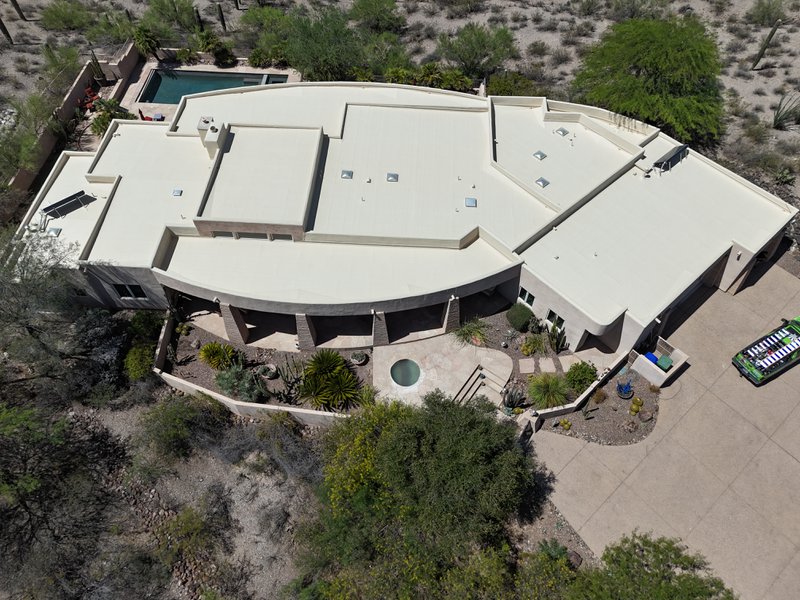
An inspection only pays off if the findings turn into a plan. Keep a record of every inspection, with photos, locations and the condition of each item, plus every repair and coating applied. That history makes budgeting easier and supports warranty claims, insurance submissions and contractor accountability.
Prioritize findings in three tiers:
- Fix now: active leaks, open seams, failed flashing, blocked drains and wet insulation.
- Fix before the next season: worn coating, cracked sealant, minor ponding and loose equipment mounts.
- Monitor: early surface aging, light chalking and areas to recheck at the next inspection.
Printable Commercial Roof Inspection Checklist
Print this list and take it on the roof at each spring and fall inspection:
- Roof surface: cracks, blisters, punctures, soft spots
- Seams and edges: lifting, separation, open laps
- Coating: chalking, cracking, thinning, peeling
- Sealants: cracking, shrinking, separation at joints
- Parapets, coping and roof edges: cracks or separation
- Drains, scuppers and gutters: clear and flowing
- Ponding: standing water or sediment rings
- Flashing at pipes, vents, skylights and curbs: sealed and tight
- HVAC and equipment mounts: secure, sealed, no vibration damage
- Interior ceilings and insulation: stains, dampness, discoloration
- Photos and notes recorded; repairs ranked and scheduled
Ready for a professional set of eyes on your building? Contact GreenGo Roofing or call (520) 475-4000 to schedule a free commercial roof inspection.
