
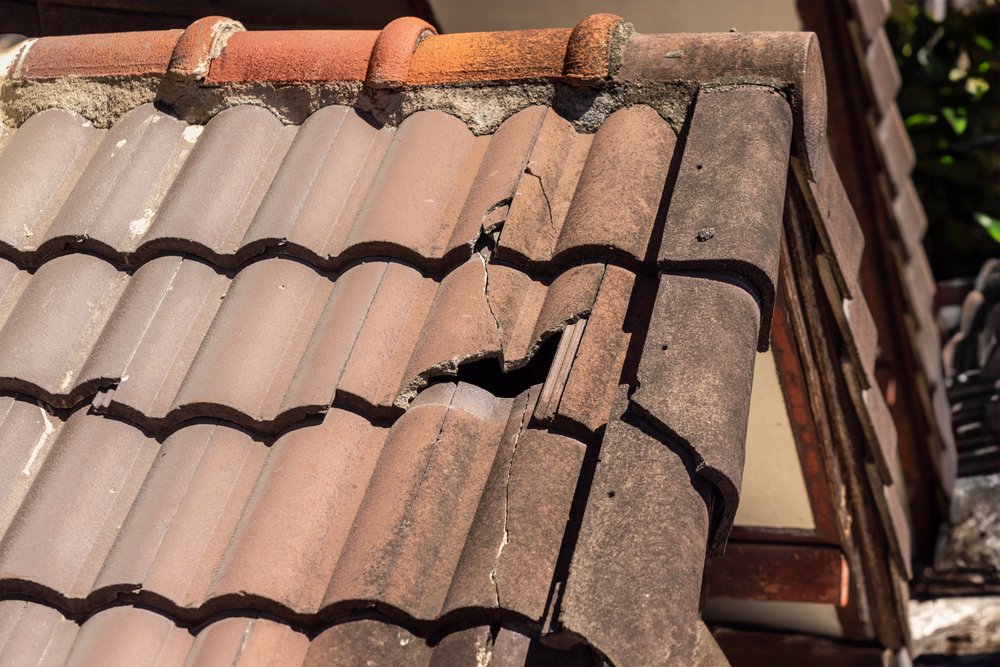
Summer storms in Tucson hit fast, bringing heavy rain, strong winds, and sudden pressure on already stressed roofing systems. You usually do not get a warning, and small weaknesses quickly become visible problems once water finds its way inside. Roof leaks often show up at the worst possible moment, forcing you to react quickly rather than plan ahead.
Handling roof leaks the right way during a storm can limit damage, protect your home, and reduce repair costs afterward. Quick decisions matter because water spreads faster than most people expect once it gets past your roof surface. Knowing what to do before things get worse gives you control in a chaotic situation.
What Should You Do First When Roof Leaks Start During a Storm?
Your first priority when roof leaks occur is to contain the water and protect your home from further damage. You should focus on controlling the spread, not fixing the roof during active rain, because conditions are unsafe, and temporary solutions work better in the moment.
Why Roof Leaks Happen More During Tucson Summer Storms
Tucson summer storms hit with sudden intensity, combining heavy rain and strong winds that expose weak points across your roofing system. Rapid temperature shifts cause materials to expand and contract, creating small openings where water can enter. Roof leaks often begin at flashing, seams, and aging sections that can no longer resist pressure.
Wind-driven rain increases the risk because water moves sideways and upward rather than falling straight down onto your roof. Moisture is forced under shingles and into areas that usually remain sealed in normal weather. Roof leaks become more frequent when drainage is blocked, preventing water from moving off the surface efficiently.
Extreme heat leading into storm season weakens roofing materials before rainfall even begins across Tucson homes. Prolonged sun exposure dries sealants and reduces flexibility, making surfaces more vulnerable to cracking. Roof leaks are more likely when existing wear meets sudden and heavy rainfall during monsoon conditions.
Immediate Steps to Control Interior Water Damage
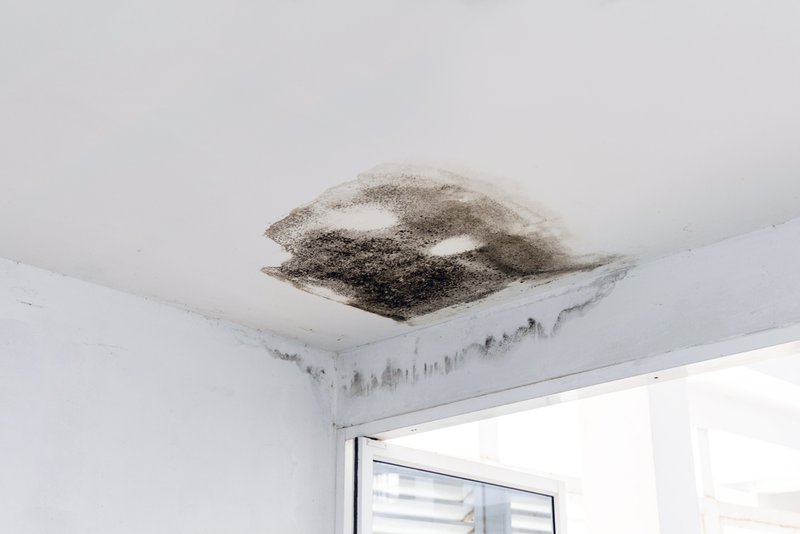
When water enters your home, you need to act quickly to limit how far the roof leaks spread and reduce interior damage before it escalates. Fast action helps protect your flooring, walls, and belongings from prolonged exposure, which can lead to more costly roof repairs. You are not fixing the roof during a storm; you are controlling damage until conditions are safe.
1. Contain The Water Immediately
Place buckets or containers directly under the leak to prevent water from spreading across your flooring. Quick containment limits damage and helps you track how severe the leak becomes over time. Keeping the area controlled also makes cleanup easier once the storm passes and conditions improve.
2. Move Or Cover Your Belongings
Move furniture and valuables away from the roof leaks as quickly as possible to prevent further damage. Cover anything that cannot be moved using plastic or waterproof materials to reduce exposure. Acting quickly helps you avoid permanent damage to items that may be difficult or expensive to replace.
3. Relieve Ceiling Water Buildup
Bulging ceilings indicate trapped water that can collapse if pressure continues building without relief. Carefully puncturing the lowest point allows controlled drainage and prevents sudden structural failure. Releasing that pressure early reduces the risk of a larger section breaking unexpectedly.
4. Protect Flooring And Electrical Areas
Water spreading across floors can damage materials and increase the risk of electrical hazards inside your home. Use towels or barriers to guide water away from outlets and sensitive surfaces. Keeping water away from electrical points reduces the chance of additional safety risks during the storm.
5. Identify And Mark The Entry Point
Track where water is entering so you understand the source and severity of the issue after the storm passes. Marking the area makes emergency roof repairs faster and helps professionals assess the damage accurately. Clear identification prevents confusion when multiple areas show signs of moisture afterward.
How to Find the Source of Roof Leaks After the Storm
After the storm passes, you need to quickly locate the source of any roof leaks to prevent further damage inside your home. Water rarely travels straight down, so the visible entry point may not match the actual source on your roof. Careful inspection helps you avoid guessing and reduces the chance of missing the real problem.
- Check attic moisture
- Inspect ceiling stains
- Examine roof penetrations
- Look for damaged shingles
- Trace water paths
Start inside your home by inspecting the attic and upper ceiling areas where moisture tends to collect first. Use a flashlight to follow water stains, damp insulation, or wood discoloration that leads toward the source. Roof leaks often reveal patterns that guide you closer to the entry point when you take time to observe them.
Move outside once conditions are safe and examine areas above where interior damage appeared. Focus on flashing, vents, valleys, and any transitions where materials meet, and water can enter. Roof leaks commonly start in these vulnerable areas, especially after heavy wind and rain.
When You Need Professional Roofing Help Immediately
Some roof issues go beyond quick fixes and require professional attention to prevent serious structural damage. Ignoring warning signs can allow water to spread deeper into your home and increase repair costs. Roof leaks that persist after a storm often indicate underlying damage that requires expert assessment.

Active leaks that do not slow down or stop after the storm indicate a larger failure in your roofing system. Water entering multiple areas at once suggests widespread damage rather than a single weak point. Structural concerns increase when moisture reaches insulation, decking, or support components.
Visible sagging, large ceiling stains, or recurring leaks in the same area indicate ongoing problems that will not resolve on their own. Temporary fixes may hold briefly, but they do not address the root cause of the issue. Professional evaluation ensures the damage is identified and repaired correctly.
If you feel unsure about climbing onto your roof or inspecting affected areas, it is safer to call a professional immediately. Roofing work during or after storms carries risks of injury without proper equipment and experience.
Get Ahead of Roof Leaks Before the Next Storm Hits
Roof leaks rarely stay small, and every delay gives water more time to spread and damage your home. Acting quickly during storms and following up with proper inspection helps you stay in control of the situation. The right response now prevents larger repairs, higher costs, and long-term structural issues.
You do not have to guess your way through roof leaks or risk missing hidden damage after a storm passes. A professional assessment gives you clarity, ensures repairs are done right, and protects your home moving forward. Request your custom roof estimate from GreenGo Roofing today and prepare your home for the next storm.