
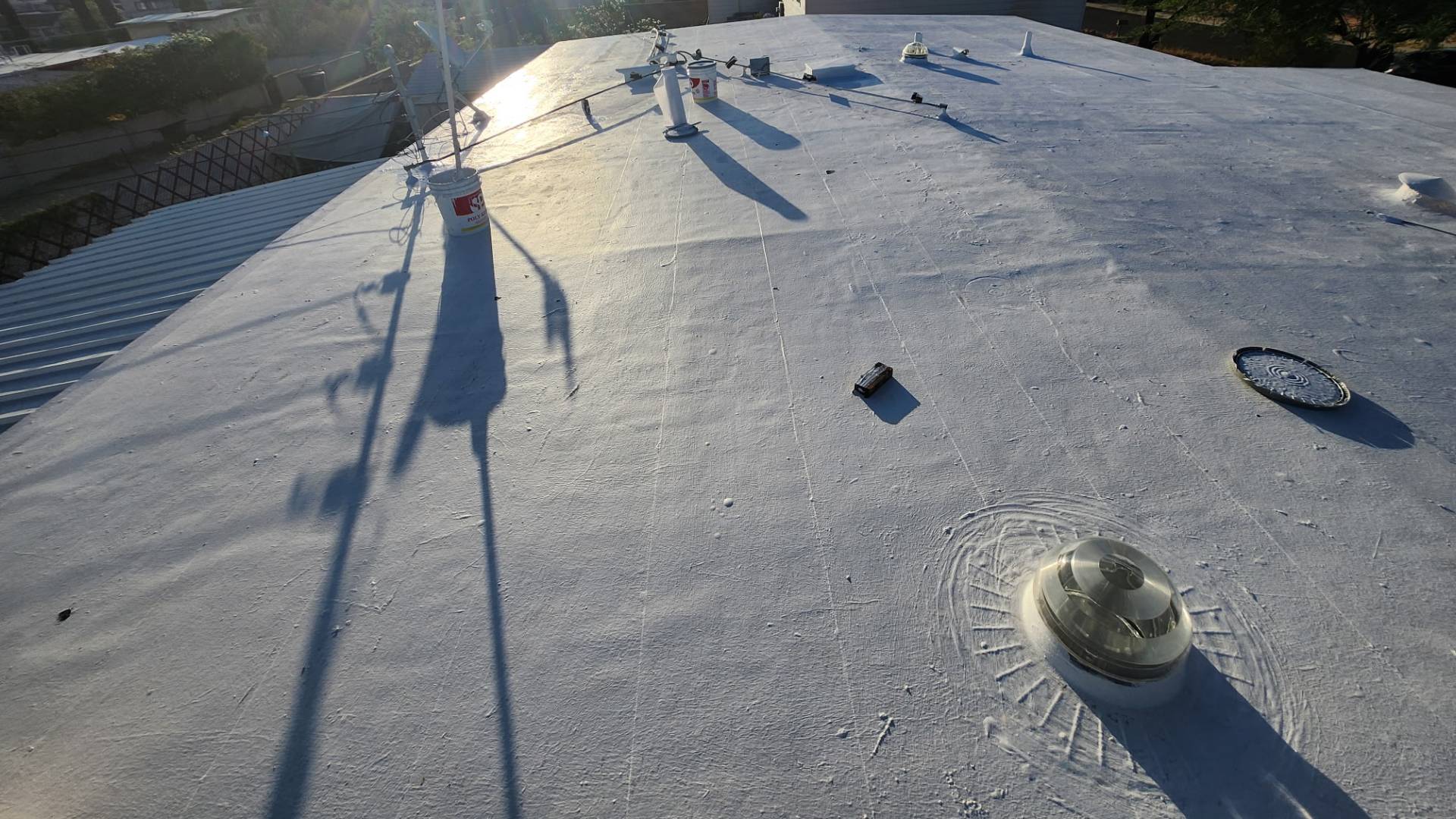
Roof flashing quietly protects your home from water damage. At GreenGo Roofing, we have seen how minor flashing problems turn into major headaches when they are left unchecked. Flashing is installed at the roof’s most vulnerable points, such as chimneys, vents, skylights, valleys and parapet walls, to direct water away from your home’s interior. Even the best materials do not last forever, especially under the Tucson sun. Here are the top five signs you need roof flashing repair.
What Is Roof Flashing and Why Does It Matter?
Flashing is usually made of galvanized steel, aluminum or copper. Its job is to seal the edges, joints and transitions of your roof so water cannot get behind the roofing. When flashing fails, water sneaks in, leading to leaks, mold and structural damage. Flashing failure is one of the most common sources of roof leaks we repair.
In Tucson, flashing works hard. Summer surface temperatures make metal flashing expand during the day and contract at night, which loosens fasteners and cracks sealant over time. Intense UV breaks down caulks and sealants, and monsoon storms (June 15 to September 15) bring wind-driven rain that finds any gap. Winter rains then test whatever the summer weakened.
1. Visible Water Leaks Inside Your Home
Nothing raises the alarm faster than a water stain spreading across your ceiling. Leaks are often the first sign that flashing is damaged or was improperly installed.
Common Areas for Flashing-Related Leaks
Leaks caused by flashing issues are frequently found around:
- Chimneys
- Skylights
- Roof valleys
- Vent pipes and swamp cooler or AC penetrations
- Parapet walls on flat roofs
- Drip edges
Skylights are a frequent culprit, especially on flat roofs. If you are adding or replacing one, read our flat roof skylight installation tips to make sure it is flashed correctly.
How GreenGo Roofing Tracks Down Leaks
Our technicians trace leaks to their source instead of just patching the stain. The cause is often damaged flashing around a skylight, chimney, vent or roof edge, and the water may travel some distance before it shows up on your ceiling.
Why Timely Repairs Matter
Ignoring water stains can lead to mold, weakened framing and damaged drywall. Early repairs save money and protect your home’s structure.
2. Rust or Corrosion on Flashing
Metal flashing is tough, but years of exposure to moisture and weather can lead to rust and corrosion, particularly where water sits after storms or where dissimilar metals meet.
Why Flashing Deteriorates
Rust eats away at metal over time, creating thin spots and pinholes where water can get through. If you see rusted or corroded flashing, it is time to act.
Repair Before Replacement
When the flashing is still structurally sound, GreenGo Roofing can clean it and apply rust-resistant coatings to extend its life instead of defaulting to full replacement. That reduces both waste and cost. Badly corroded sections are replaced.
3. Missing or Loose Flashing Pieces
Missing or loose flashing is a serious issue that needs prompt attention.
Why Flashing Becomes Loose
Monsoon wind gusts, daily thermal expansion and contraction, shifting roofing materials and poor installation can all pull flashing loose. Even small gaps let water seep in during the next storm.
Risks of Ignoring Missing Flashing
Without flashing in place, water reaches the most vulnerable parts of your roof. Damaged or missing drip edges are a common example: water runs back under the roofing at the edge, rotting the fascia board and the plywood decking and eventually damaging walls. Regular inspections catch these problems early.
4. Water Pooling at Walls, Parapets or Scuppers
On Tucson’s flat and territorial-style roofs, water that ponds against a parapet wall, around a scupper or next to a roof penetration puts constant pressure on the flashing at that spot. Pooling is usually caused by low spots or clogged drainage, not by the flashing itself, but standing water against worn or lifted flashing is one of the fastest ways to get a leak.
Signs to Watch For
Look for water that stays on the roof more than a day or two after rain, stains or cracking at the base of parapet walls, algae or debris lines where water sits, and sagging roof sections. Stucco cracks and failed wall caps on parapets also let water get behind the flashing. Our parapet repair service addresses the wall, cap and flashing together.
Fixing the Flashing and the Drainage
We repair or replace the flashing and correct the drainage problem behind it, such as clearing or enlarging scuppers or building up low areas, so water moves off the roof instead of sitting against vulnerable joints.
5. Visible Cracks or Breaks in Flashing
Cracks in flashing and its sealant might start small, but they grow under physical stress and daily temperature swings.
What Causes Cracks in Tucson
Intense sunlight and UV dry out and crack sealants, while the expansion and contraction of metal flashing in the heat opens joints and seams. Over time, even tiny cracks let water in.
How We Repair Cracked Flashing
Our team uses high-quality sealants and flashing materials made to handle Tucson’s extreme heat and sun. When a section is beyond repair, we replace it and seal it properly to the surrounding roofing.
Consequences of Ignoring Roof Flashing Problems
- Escalating repair costs: Small fixes can turn into major roof repairs or replacement.
- Structural damage: Water infiltration weakens framing, decking and walls.
- Health risks: Damp areas encourage mold growth inside the home.
Flashing repair is one of several fixes we handle regularly. For an overview of the others, see the most common types of roof repairs.
How to Choose a Reliable Roof Flashing Repair Service
- Licensing and insurance: Work with a licensed, insured roofing contractor. In Arizona, you can verify a license with the Registrar of Contractors (ROC).
- Experience with your roof type: Flashing details differ for tile, shingle and flat roofs, so choose a team that works on all of them.
- Transparent pricing: Expect a clear written estimate with no hidden fees.
GreenGo Roofing is a licensed and insured Tucson roofer offering complete roof repair services, including flashing repair and replacement.
Preventive Maintenance Tips
- Schedule regular inspections: Have flashing checked for rust, cracks and loose pieces, ideally before monsoon season and again after it.
- Keep your roof clear: Remove debris from valleys, scuppers and drains so water can drain freely.
- Watch your sealants: Sun-baked caulk around vents, skylights and penetrations should be renewed before it cracks.
Schedule a Roof Flashing Inspection in Tucson
Roof flashing may be small, but it plays a big role in protecting your home. Whether you are seeing leaks, rust, cracks or water pooling against your walls, catching the problem early saves money. Contact GreenGo Roofing to schedule a flashing inspection or call (520) 475-4000.
